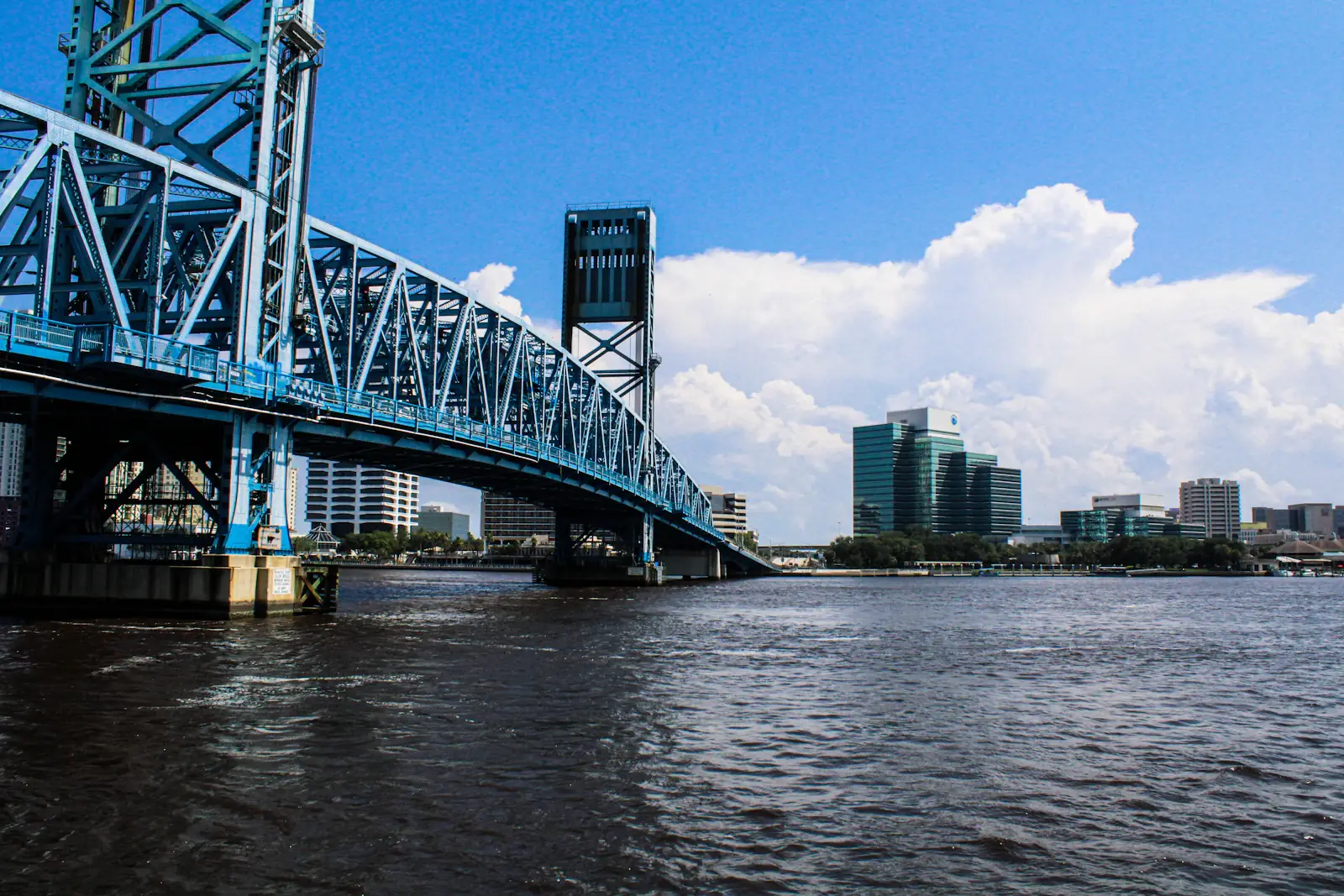
Split the list by terminal and corridor
Container shippers off Dames Point, breakbulk buyers at Talleyrand and inland DCs out at Cecil each get their own opener. Your rep walks in knowing which freight that prospect moves.
For brokers, 3PLs, drayage outfits and warehouse operators, we call the importers, distributors and plant managers moving freight through Northeast Florida and book the meeting with the person who controls the spend.
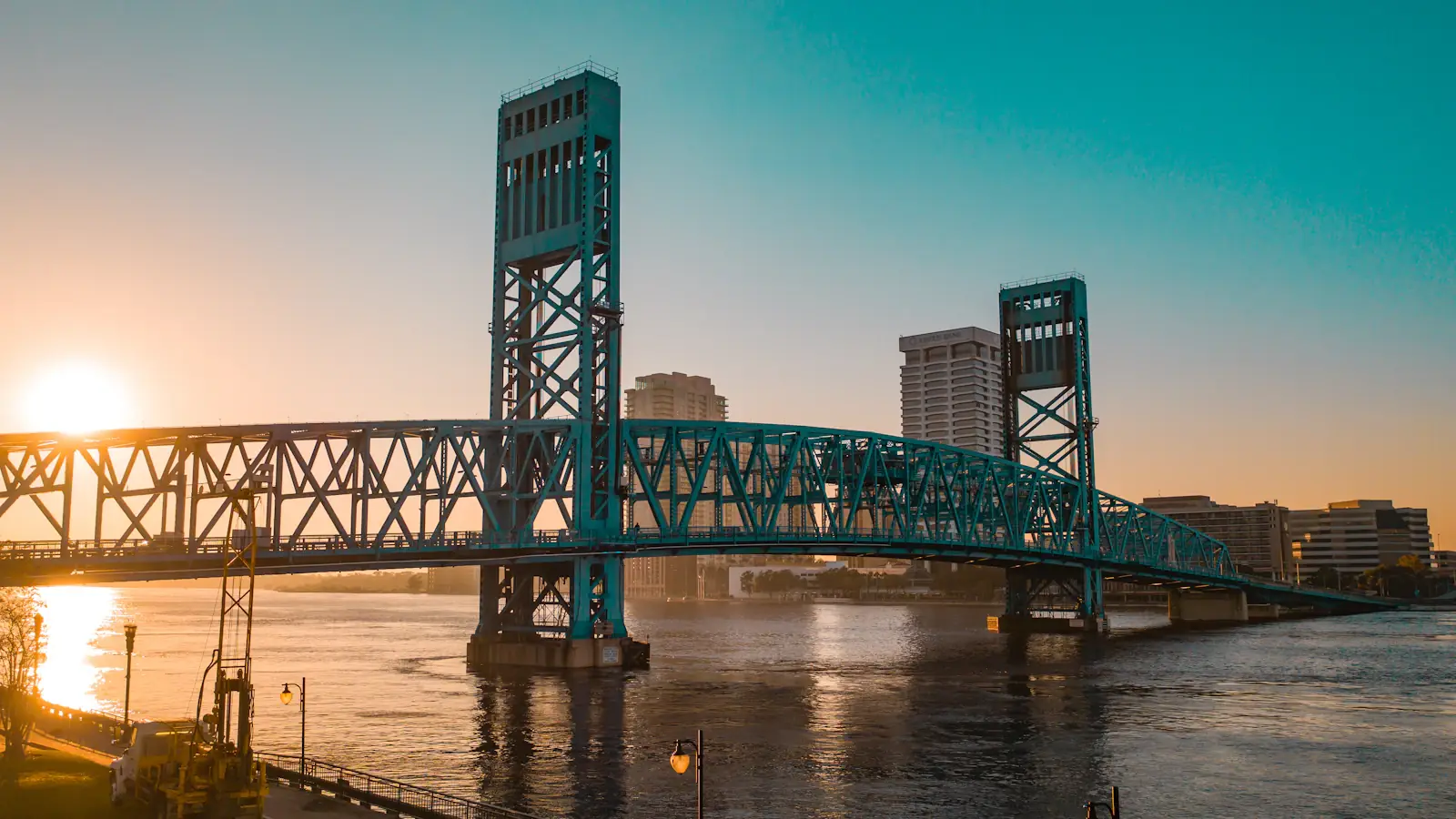
Start with the water. JAXPORT moved 1,388,841 TEUs in FY2025, which ran from October 2024 to September 2025. Add 10,230,114 tons of total cargo and 506,237 vehicles. JAXUSA calls it Florida's largest container port by volume.
The cargo lands in three places. Blount Island Marine Terminal covers 754 acres on the Northside and handles containers, Ro/Ro, vehicles, breakbulk and liquid bulk. Dames Point next door takes containers, autos and bulk. Talleyrand, closer to downtown, works containers, autos, liquid bulk and breakbulk such as steel, lumber, paper and frozen and chilled goods. Each terminal pulls a different shipper, so one script for all three wastes calls.
Then the land side. CSX runs its railroad from 500 Water Street on the Northbank. JAXUSA's logistics case counts three railroads and three interstates, I-95, I-10 and I-75. Landstar System and Crowley Maritime are based here too. Amazon, about 8,000 people on JAXUSA's list, and UPS, about 4,500, set the service bar for everyone else. Those headcounts cover JAXUSA's seven-county region, which adds Flagler and Putnam to the metro, so read them as regional.
That is why the competition is thick. County Business Patterns counts 1,114 truck transportation establishments, 171 freight arrangement firms and 140 warehousing operations in the metro. That is more freight arrangement firms than Orlando has, in a smaller economy. Your shipper prospect is hearing from several of them a week.
A mid-size broker or 3PL does not win here on price alone. It wins by knowing whether the freight comes off Talleyrand or rolls out of Cecil Commerce Center, and by being the one who calls back when a load goes sideways.
We do the calling from Nigeria on Eastern business hours. Our day starts in the afternoon, so we reach dock offices and dispatch desks during their morning.
Public figures, each linked to its source.
Yards and docks around Blount Island, Dames Point and Talleyrand, distribution space at Cecil Commerce Center on the Westside and along I-95 and I-10, and the signers in Northbank and Southside offices.
Container shippers off Dames Point, breakbulk buyers at Talleyrand and inland DCs out at Cecil each get their own opener. Your rep walks in knowing which freight that prospect moves.
Dock and dispatch people pick up at the start of the shift. We use what they tell us to reach the logistics director once the morning fires are out.
With CSX next door, some shippers here mix rail and truck. We note it, so a truckload broker does not book a meeting with a shipper who only wants intermodal.
Monthly loads or containers, current provider and when the deal is up for renewal. Small one-off shippers stay off your calendar.
Before Trifecta, Sylvia made high-volume calls to US business owners for a services firm, got past gatekeepers and hit daily and weekly booking targets, the same grind it takes to reach a Northside shipper between loads.

Sylvia worked the phones for a US services firm, calling business owners and decision makers directly. The job was to get past the front desk, introduce the service, qualify interest and book the appointment for the sales team, while logging every outcome and follow-up. She consistently hit daily and weekly booking targets.
Led by Sylvia Owunnachika →
Trifecta is a new agency. These are the partners’ own past roles, shared with their permission and without naming the employer. See the full track record.
We learn your freight on the discovery call and tag every prospect by terminal and commodity. Scripts use your words, so we never promise equipment or lanes you do not run.
We call whoever buys from you. For most brokers and 3PLs that means shippers and receivers. If you sell to carriers, such as fuel, insurance or factoring, we build that list from the 1,114 trucking establishments in the metro instead.
They talk to someone who knows their terminal and has a clear reason to call. We say where we are if asked. The meeting is with you or your rep, and that is where the relationship lives.
Yes. We pull DC and site managers there as a separate list, since inland distribution buyers care about delivery windows and labor more than port timing.
In freight the reps also run loads, so prospecting stops the day a truck breaks down. We keep the dials going through every Eastern business day and hand over only qualified meetings.
Photos: Matthew Williams / Unsplash, Lance Asper / Unsplash.
Book a strategy call. Bring your lanes and equipment, and we will show you which Jacksonville shippers we would call in week one.